
Bishan, Singapore
2007 - 2012
Bishan-Ang Mo Kio Park and Kallang River
What was once a 2.7 km concrete drain is now a living river. Bishan-Ang Mo Kio Park & Kallang River now draws six million visitors a year, shelters rare and endangered wildlife, and has become one of the country’s most studied examples of nature-based urban infrastructure.
Project details
Client
Public Utilities Board & National Parks Board
Status
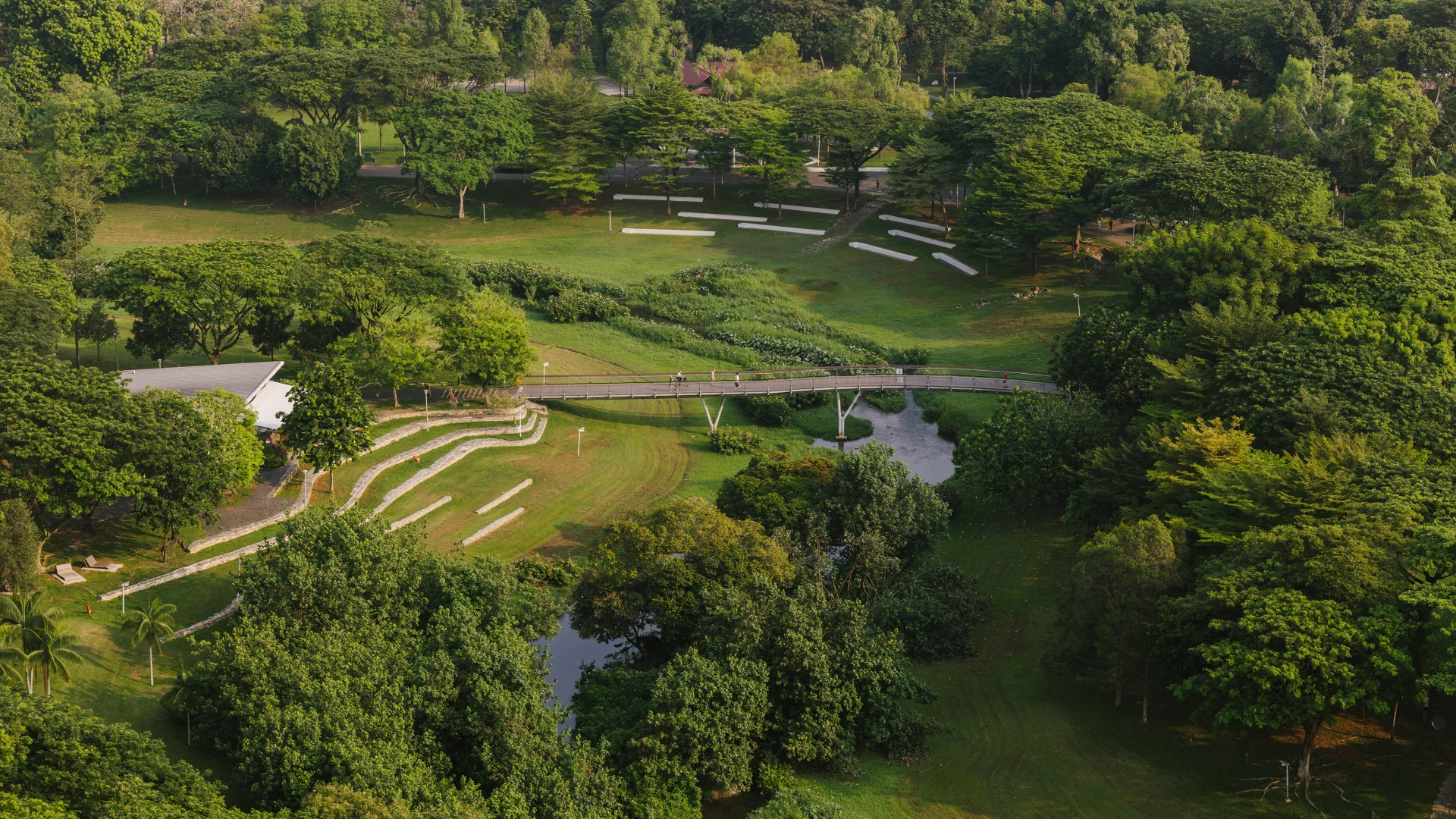
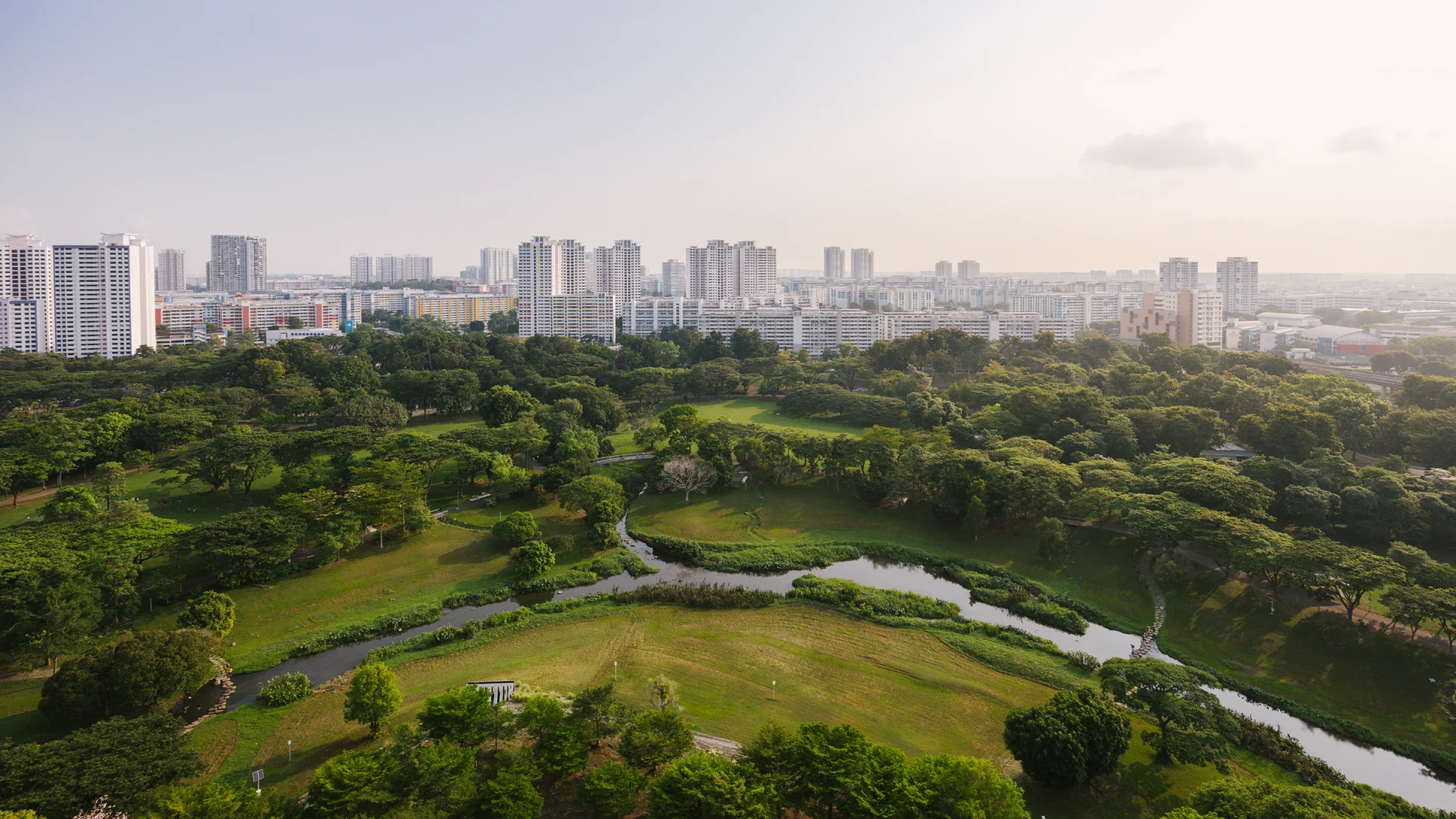
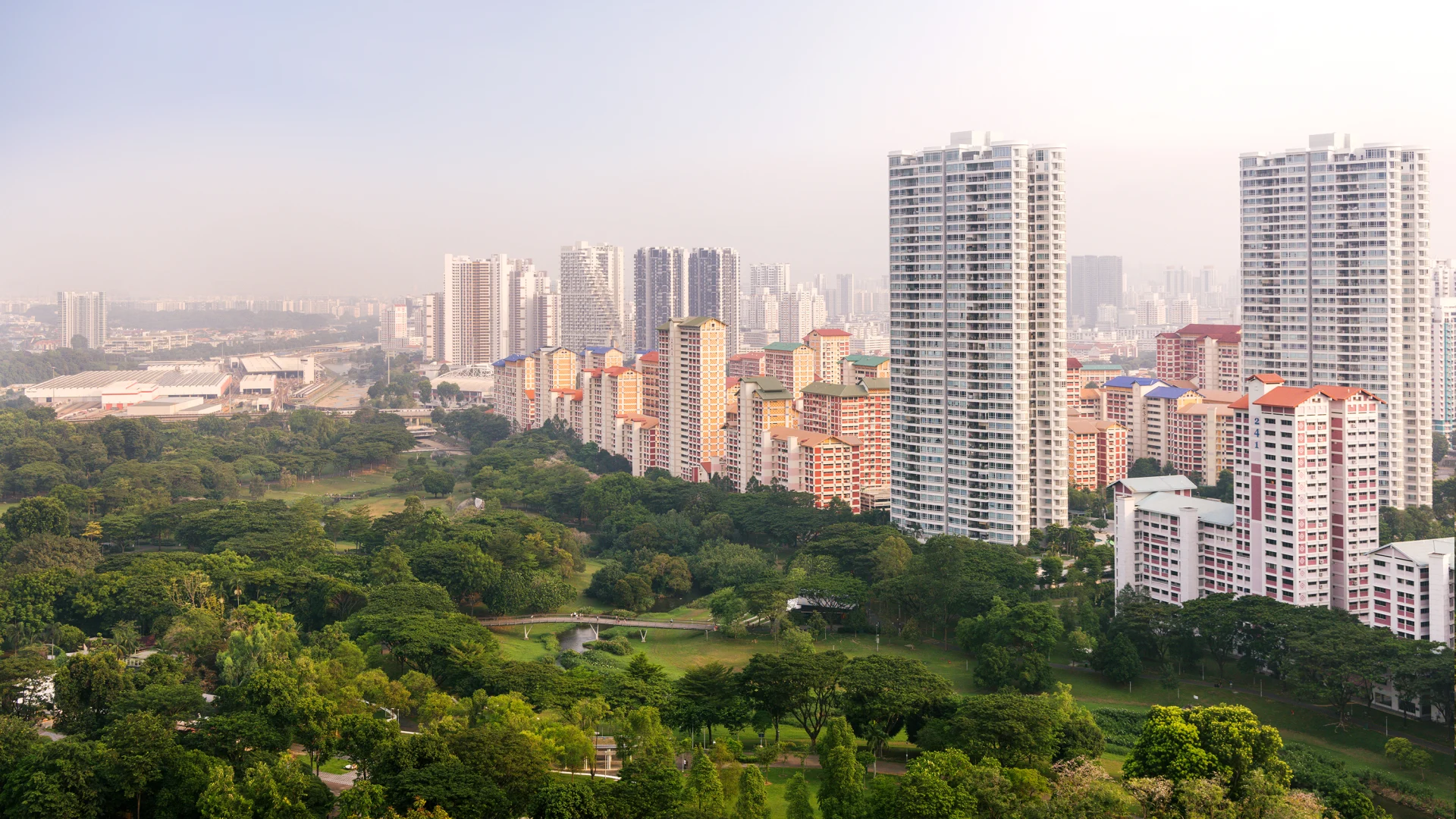
Located in the heartlands of Singapore, Bishan-Ang Mo Kio Park is part of Singapore’s Active, Beautiful, Clean Waters (ABC Waters) Program and one of Singapore’s most popular parks. As part of a much-needed park upgrade and plans to improve the capacity of the Kallang Channel, a 2.7 km-long concrete drain along the edge of the park, works were carried out simultaneously to transform the utilitarian concrete channel into a naturalized river, creating new spaces for the community to enjoy.
Rather than dealing with the park and the channel as separate entities, the project looked at the potential embedded in the interdependence of the two, considering water and landscape as a whole.
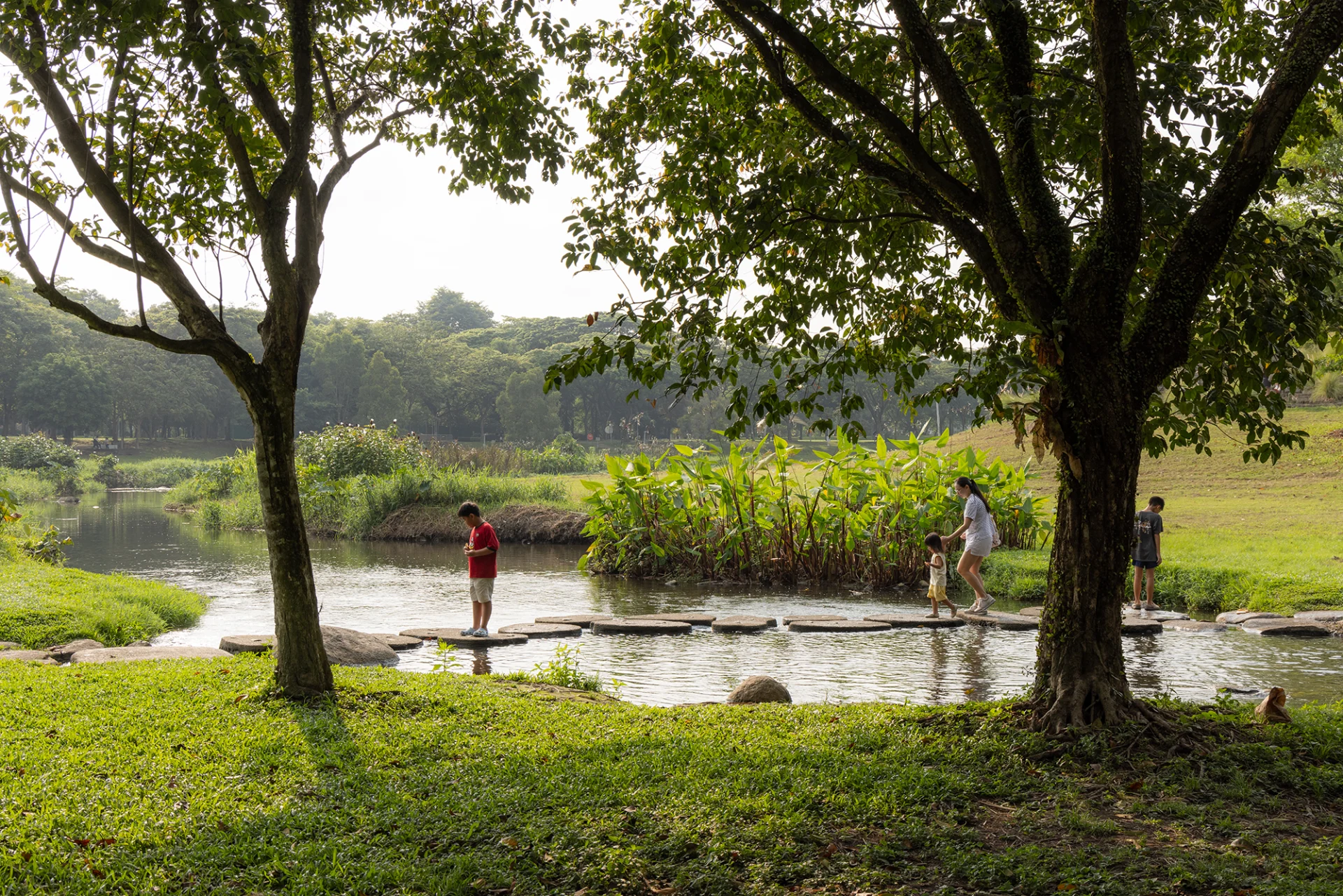
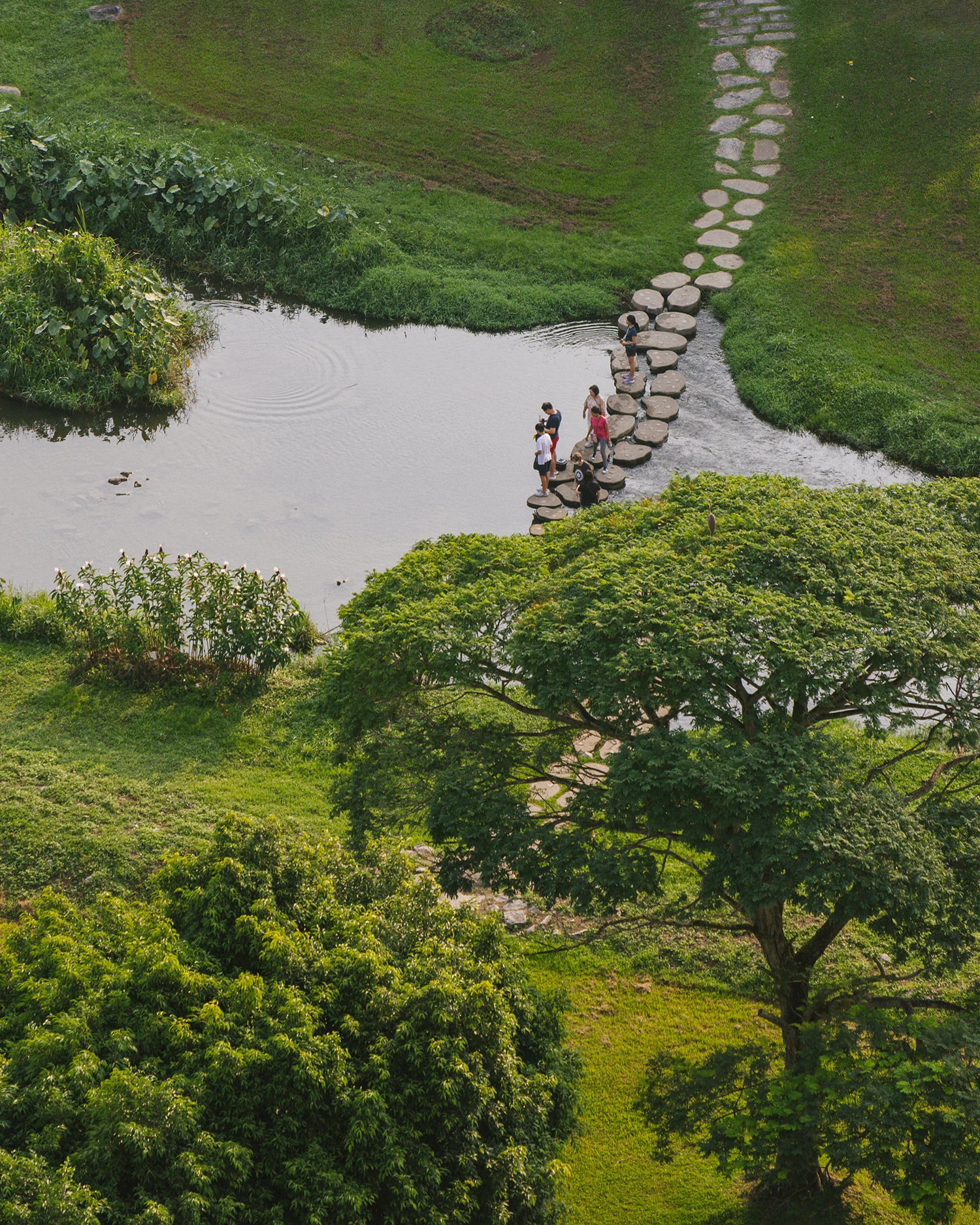
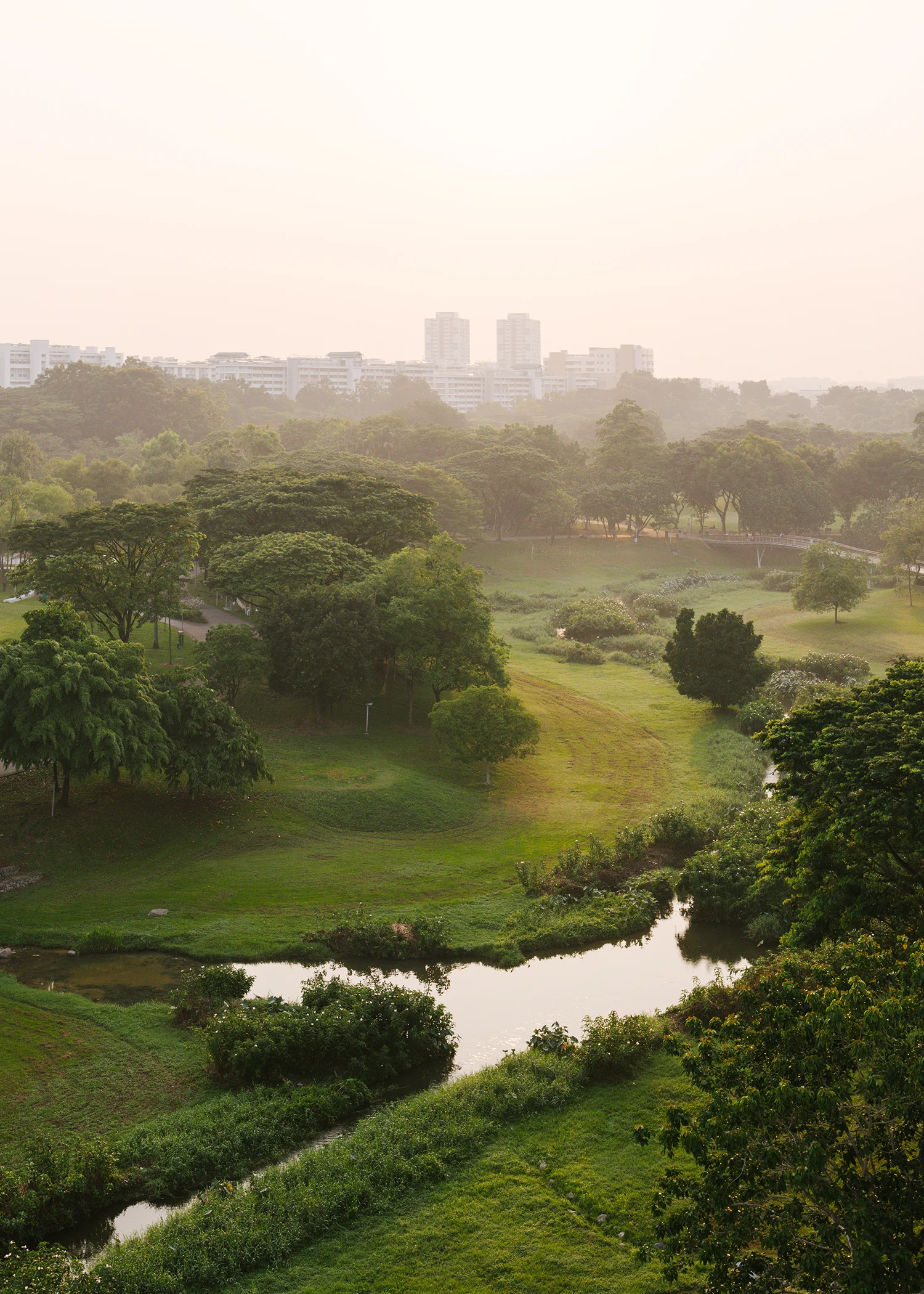
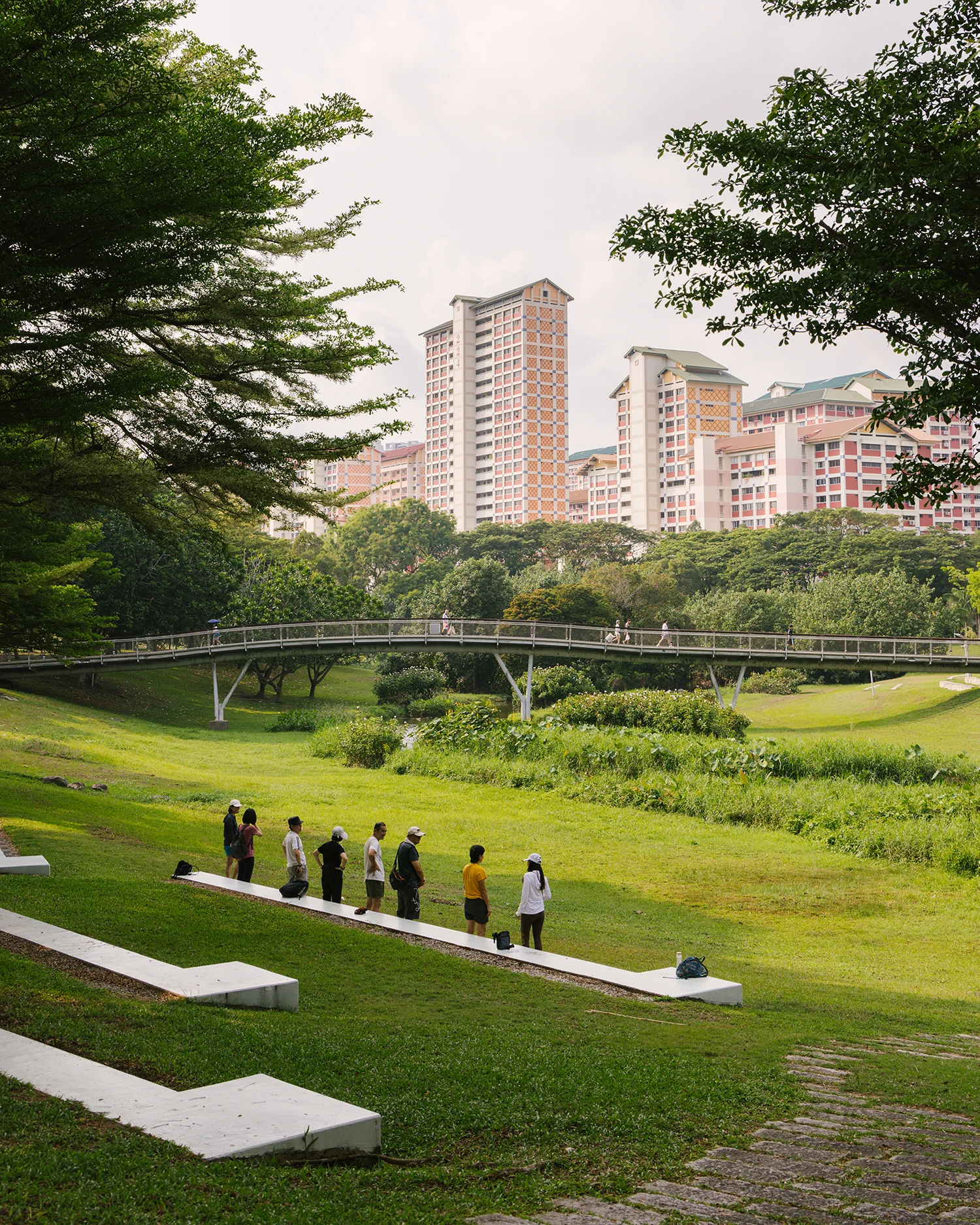
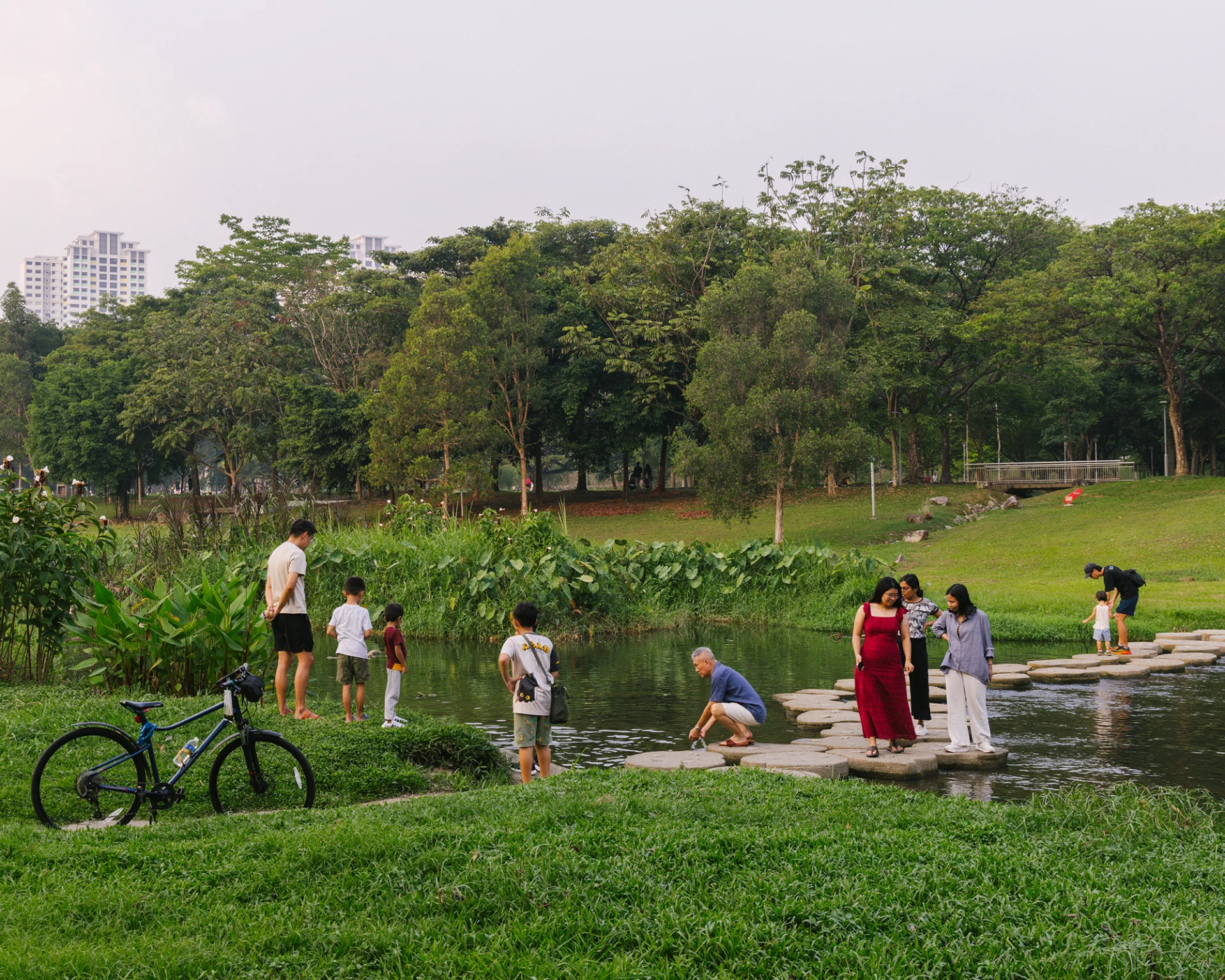
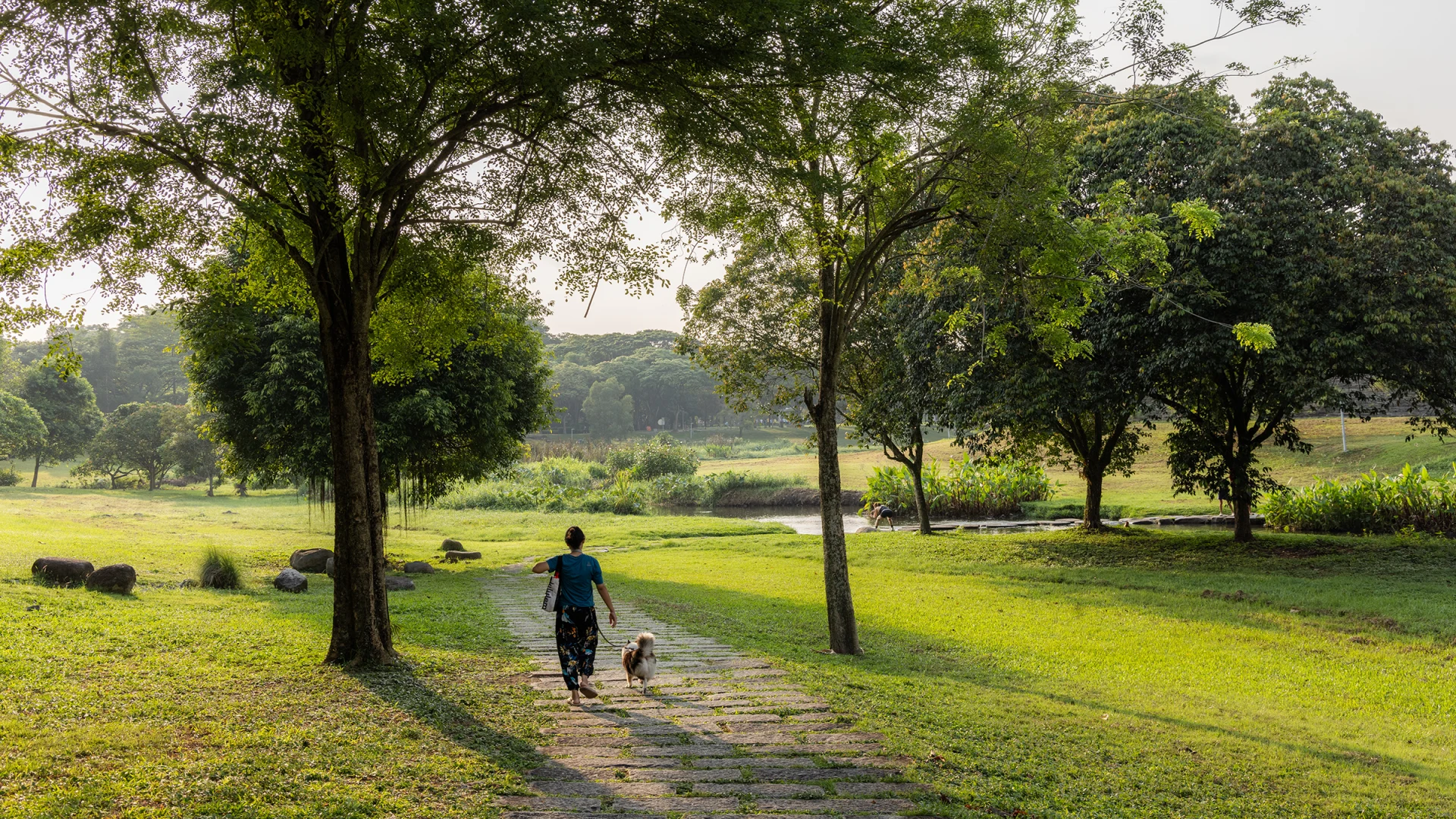
Transforming the channel into a meandering 3.2 km naturalized river and respecting the presence of water were central to the approach and design of the park. With its landscaped banks and gentle slopes, the river invites the public to get close to the water and experience its natural rhythms.
The project has since received international recognition as a landmark work in landscape urbanism, among them the President’s Design Award (Design of the Year, 2012), the World Architecture Festival Landscape of the Year (2012), and the ASLA Honor Award (2016).

Supporting natural flow
Complementing the revitalization of the river, the project used a range of soil bio-engineering techniques, strategically employed for the first time in a tropical region. From the strategic choice of vegetation and other natural elements to the civil-engineering solutions, these continuously stabilize the contoured riverbanks, preventing erosion, managing stormwater runoff, and preventing flooding and droughts.
Designing the surrounding 62 hectares of land to accommodate the ever-changing nature of a river system with varying water levels, the park design ensures a welcoming space for park visitors year-round. During dry spells, the flow of water is confined to a narrow stream in the center of the river, inviting visitors to the gentle riverbanks for a close connection to the water. In times of heavy rain, the parkland adjacent to the river functions as a conveyance channel, gradually directing excess rainwater downstream.
The naturalized river and floodplain system has increased the channel’s flood capacity by 40%, with the sculpted parkland absorbing and redirecting excess water during periods of heavy rain.
“As part of a comprehensive system, blue-green infrastructure strengthens urban ecosystems by employing natural processes. Nature-based solutions can help meet demands for sustainable water and storm-water management with the demands of climate adaptive urban planning.”
Leonard Ng
Director, Asia Pacific
Flourishing communities
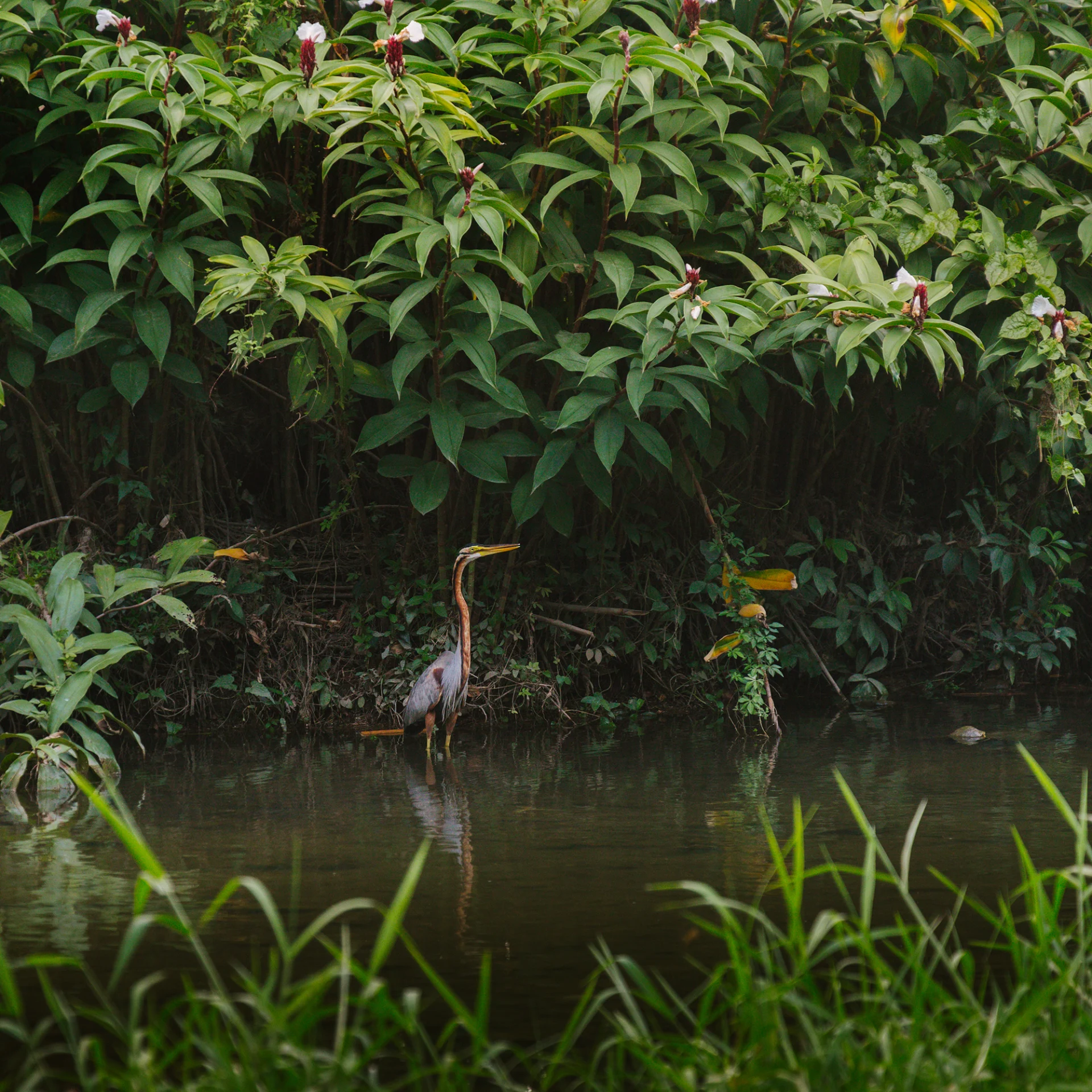
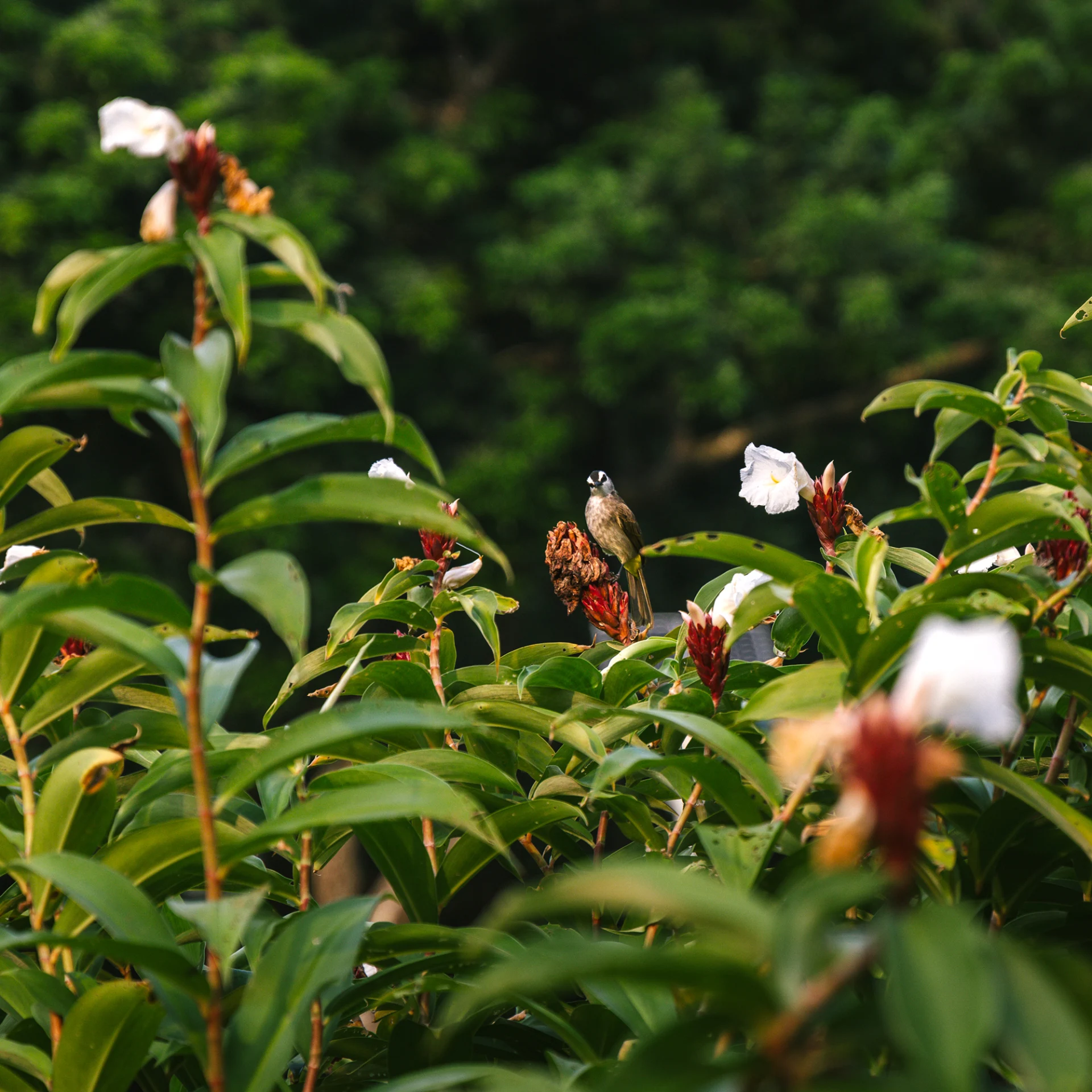
In addition to the natural landscapes created by the river, the park has attracted crowds of visitors, human and animal alike: fauna and flora have naturally flocked to the ecologically restored river. Based on a 2017-2019 study from the National University of Singapore on two mature plots in the park, the introduction of the naturalized river has seen the park’s biodiversity increase by 33% - totaling a striking 197 species of animals including 59 bird species and 22 species of dragonfly, alongside 66 different species of wildflowers. New habitats along the river now support rare, migratory, and endangered wildlife, strengthening the park’s role as an urban ecological corridor within the broader city.
Of the parks exciting visitors is a family of smooth-coated otters, first spotted in 2015. Classified as a critically endangered species, these otters were thought to have vanished from Singapore. Anchored by the commitment to support biodiversity and safeguard one of the country’s most important freshwater resources, the revived park has become a beloved open space for people of all ages and walks of life. Surveys of park users, combined with microclimate measurements, have recorded noticeably cooler conditions beneath the park’s tree canopy, a quality that draws visitors back year-round.

A fixture of local life
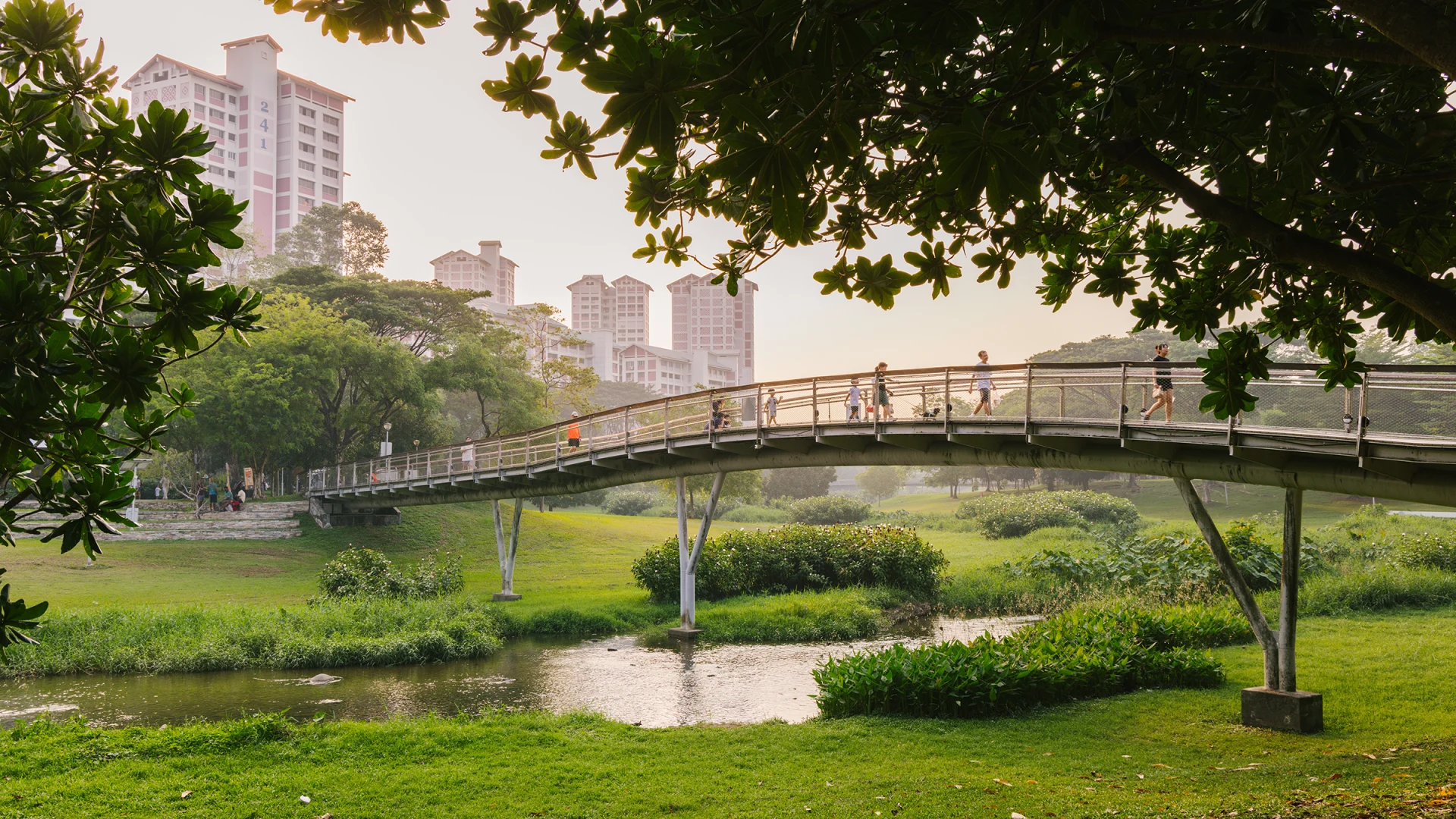
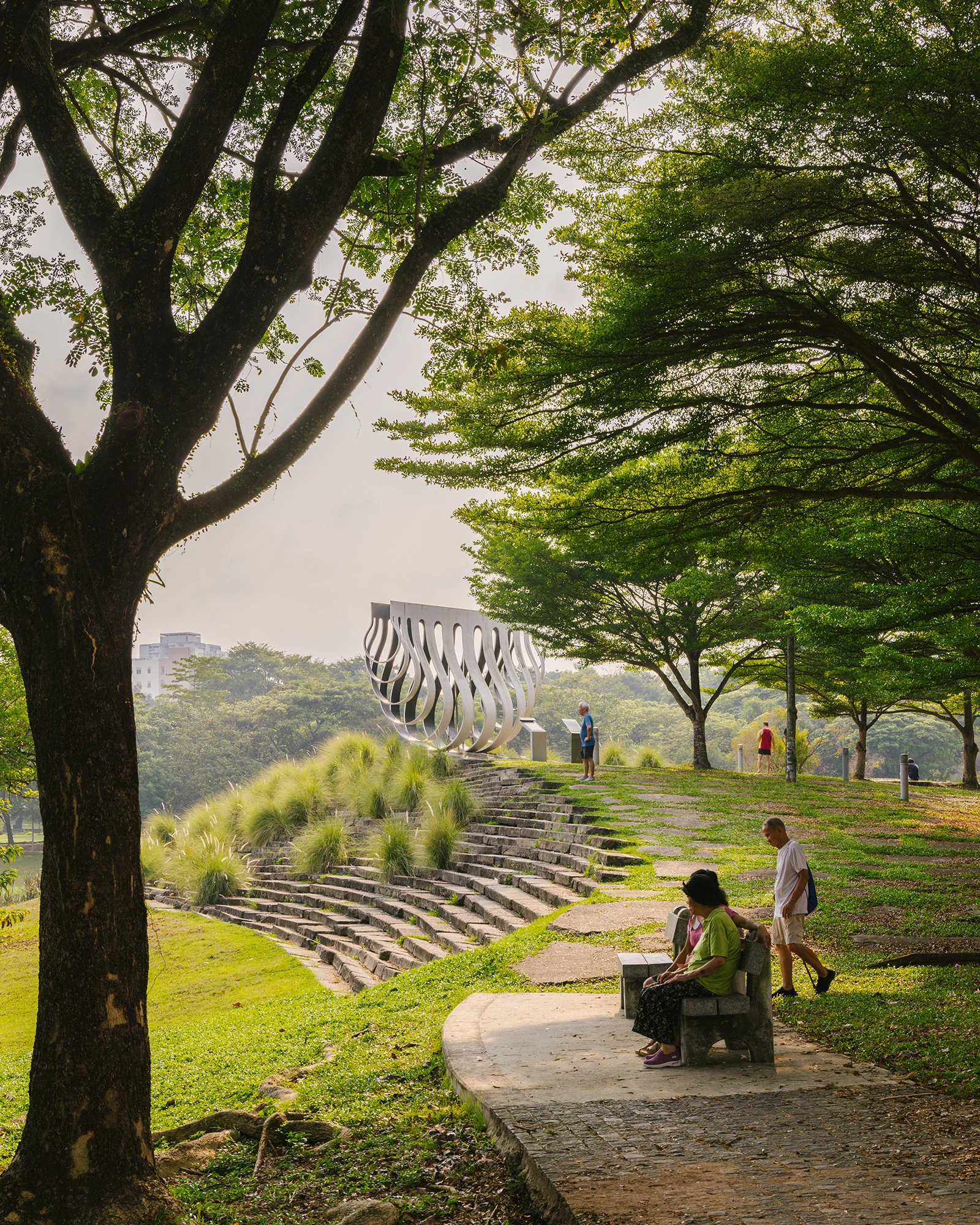
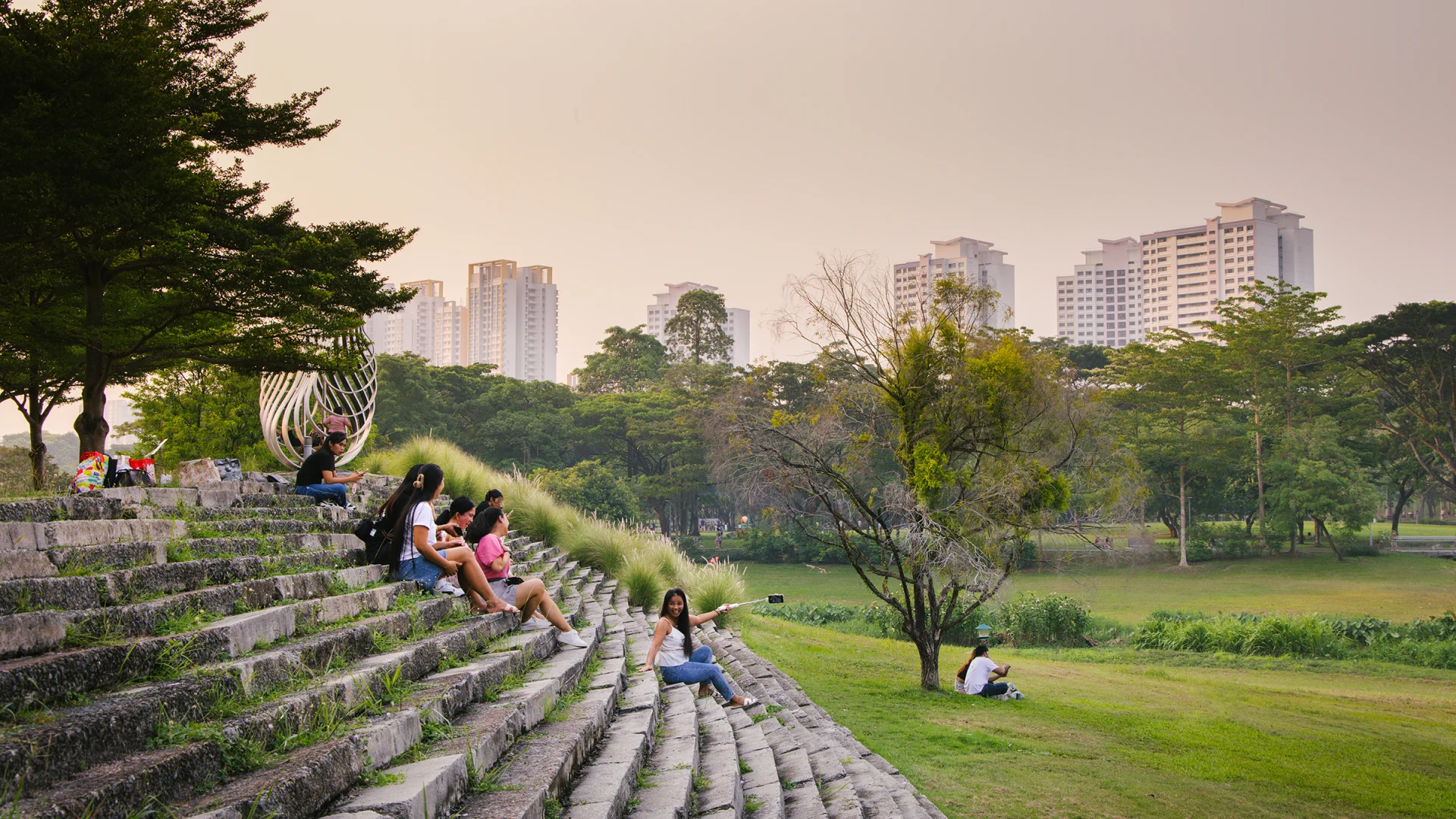
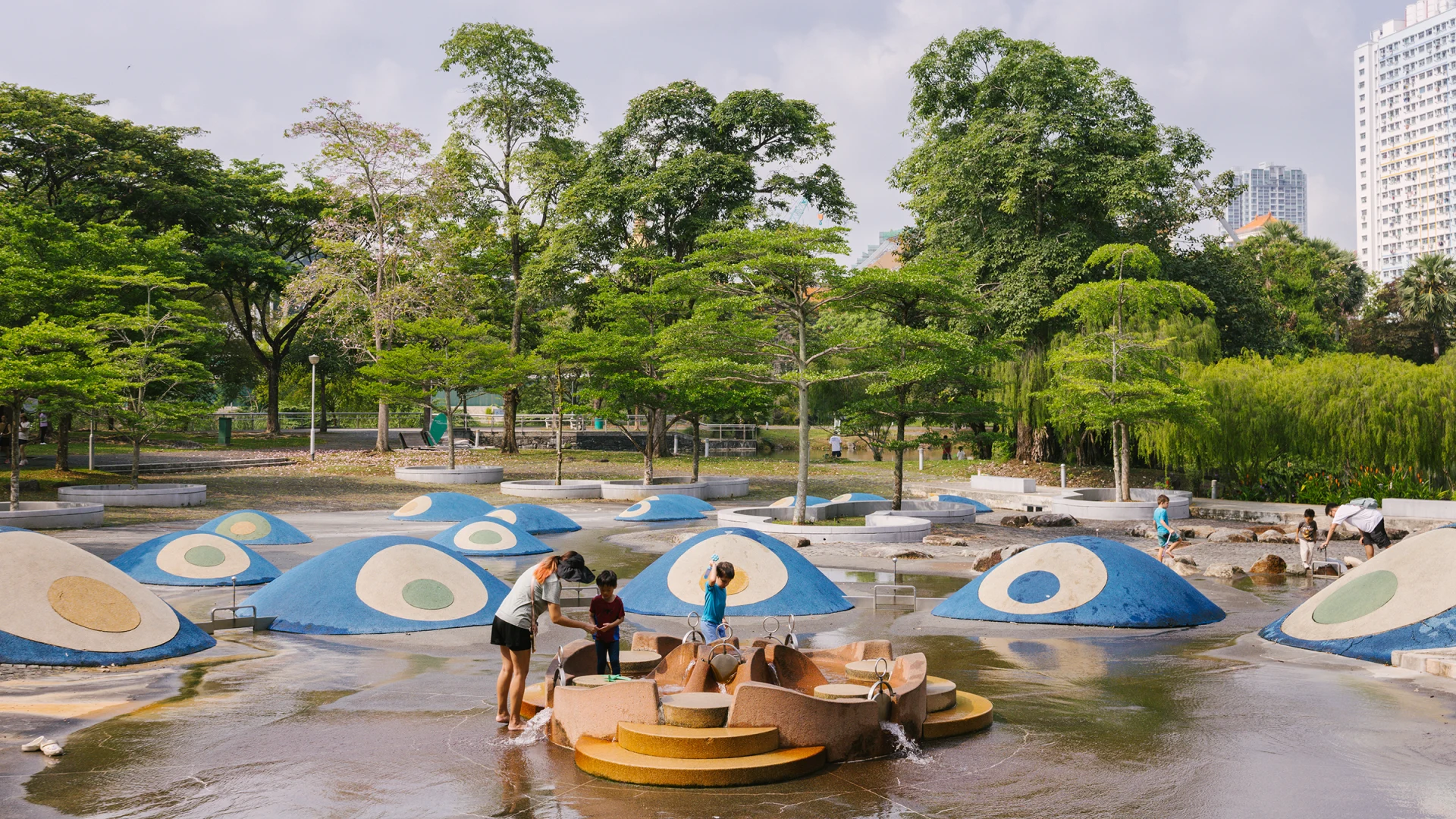
Providing connections to the neighboring housing estates, the park is open 24/7 and has become a fixture of local life. From families and dog-walkers to people practicing tai-chi, Bishan-Ang Mo Kio Park offers its plentiful open spaces to everyday sports, recreation, and nature enthusiasts as a healthy meeting place in the heartlands of Singapore.
Amongst its facilities are three playgrounds, two restaurants, and the landmark “Recycle Hill”, a look-out point built from blocks of concrete recycled from the old channel. Today the park welcomes around six million visitors annually — double the numbers recorded before the redevelopment.
01/04
Contact
All contacts
Director, Asia Pacific

Regional Director for Landscape, Henning Larsen APAC
Next project
Jurong Lake Gardens
Explore project